Arashiyama at Dawn: A Study in Zen Architecture and Steaming Green Tea
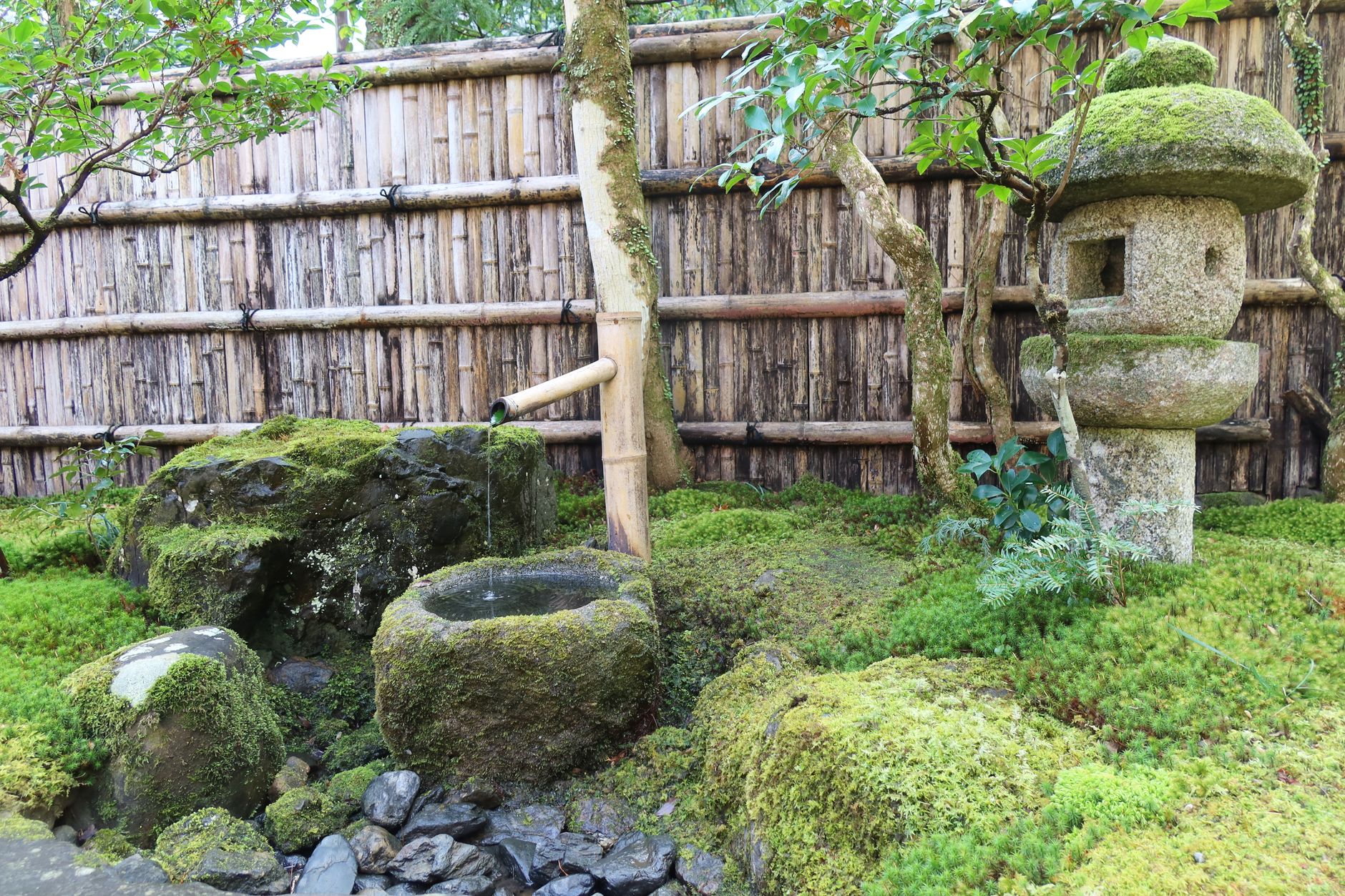
At five o'clock in the morning, Kyoto's western hills are bathed in quiet charcoal light. The emerald bamboo stalks of Arashiyama sway in rhythm with the cool currents flowing down from Mount Atago, long before tour coaches disturb the stone lanes.
The Art of Raked Gravel and Restraint
Visiting Tenryu-ji as the gates first unlatch affords an experience unavailable during peak hours. The karesansui (dry landscape garden) designed by Musō Soseki in the fourteenth century reveals itself not as an ornamental courtyard, but as an architectural essay in empty space and cosmic balance.
Every boulder has been chosen for its weathered contours, situated to echo the jagged outlines of the surrounding mountains beyond the temple compound—a technique known as shakkei, or borrowed scenery. Sitting motionless on the cypress wood veranda (engawa), one observes the subtle transitions of morning mist dissipating across raked grey granite gravel.
"The tea pavilion is not merely a room for refreshment; it is an austere sanctuary where worldly hierarchy dissolves in hot water and powdered leaf."
The Alchemy of Uji Matcha
South of Kyoto along the Uji River, shaded tea plantations yield the finest tencha leaves. In a secluded tearoom tucked behind Gio-ji temple's moss carpet, our host demonstrates the deliberate, measured choreography of the tea ceremony.
Water is heated in a cast-iron kettle over glowing charcoal embers; the bamboo whisk (chasen) produces a jade froth with delicate, vegetal bitterness complemented by a single seasonal sweet confection fashioned like a morning plum blossom.
- Timing: Arrive at the bamboo path before 06:30 for unpeopled photography and natural soundscapes.
- Etiquette: Remove footwear immediately before stepping onto tatami mats; turn mobile phones off entirely.
- Accommodation: Select traditional ryokans in the Sagano district to enjoy private morning strolls.
Curated Temple Itinerary
After Tenryu-ji, proceed northward toward Daikaku-ji. The tranquil surface of Osawa Pond reflects ancient weeping willows and wild water lilies, offering quiet respite and architectural splendor.